Entryway Essentials: Comparing Pegboard and Floating-Shelf Systems for Small Homes
Small entryways ask for solutions that balance storage, visual calm, and quick access. Two common approaches are wall-mounted pegboards and floating-shelf systems. Each follows distinct design principles and performs differently depending on needs like flexibility, aesthetics, and installation limits. Below is a focused comparison, short examples to illustrate how each works in practice, and a practical guide to choosing between them.
Pegboard Approach: Flexible, Functional, and Modular
Principles: A pegboard prioritizes modularity and adaptability. The core idea is a perforated backboard (wood, metal, or composite) where pegs, hooks, and small shelves can be rearranged to match changing items and seasons. It favors vertical organization and visible access over concealed storage.
How it looks in a small entryway (mini example)
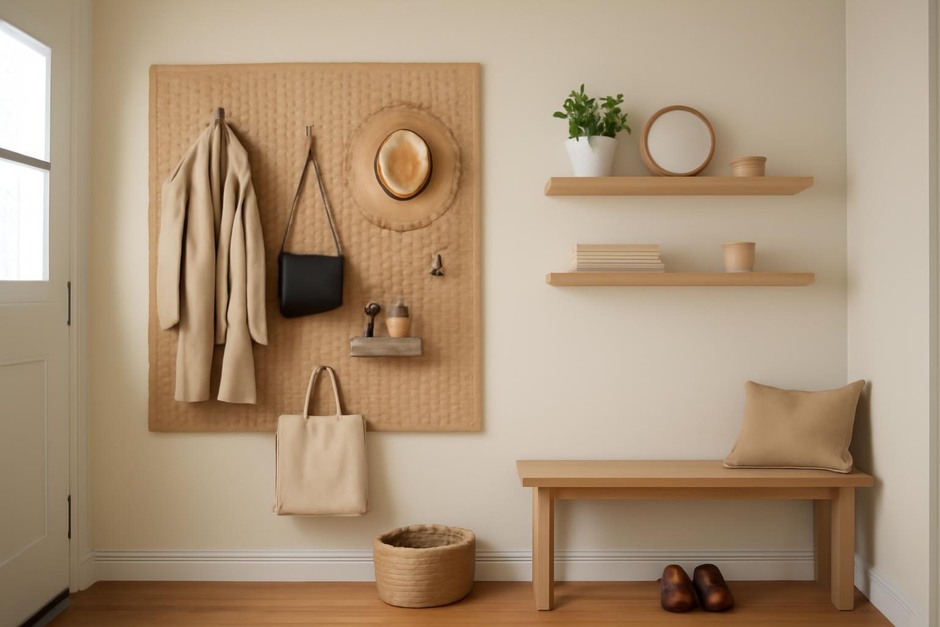
Imagine a 60 cm wide x 120 cm tall wooden pegboard mounted beside the door. Hooks hold two coats and a bag, a narrow shelf (20 cm deep) supports keys and a small tray, and three pegs for umbrellas. If winter arrives, add a small wire basket to hold gloves. Rearranging takes minutes.
- Pros: Highly adaptable; easy to customize layout; inexpensive components; great for frequently changing needs.
- Cons: Can appear busy if items are not curated; limited concealment for clutter; requires stable wall mounting.
- Best when: You want maximum flexibility, DIY-friendly solutions, and instant access to everyday items.
Floating-Shelf System: Clean Lines and Defined Zones
Principles: Floating shelves create intentional display surfaces and storage zones. They emphasize horizontal planes and usually pair with baskets or trays to hide clutter. The aesthetic is cleaner and more sculptural than a pegboard’s utilitarian look.
How it looks in a small entryway (mini example)
Picture two staggered floating shelves, the lower one at 100 cm and the upper at 150 cm, each 80 cm long and 20 cm deep. The lower shelf holds a shallow basket for shoes and a catchall tray for keys; the upper displays a small plant and a bowl for sunglasses. A slim coat hook is installed beneath the lower shelf for a jacket.
- Pros: Neat, minimal appearance; easy to incorporate decorative elements; helps conceal clutter when paired with baskets.
- Cons: Less modular than pegboards—repositioning shelves requires more work; limited options for hanging long items; load capacity depends on anchors and wall type.
- Best when: You prefer a tidy, styled entry with a calm visual presence and some concealed storage options.
Choosing Between Pegboard and Floating Shelves: A Practical Checklist
Decide by answering a few targeted questions, then weigh trade-offs against your priorities.
- How often do you rearrange or add items?
- If frequently: pegboard wins for fast reconfiguration.
- If rarely: floating shelves give a cleaner, stable look.
- Do you need to conceal clutter?
- If yes: floating shelves with baskets or boxes hide things better.
- If visible, curated display is acceptable: pegboard can still look tidy with matching containers.
- What are your installation constraints?
- Rental walls or thin plaster: choose systems that use minimal anchors or freestanding alternatives (leaning pegboard or shelf) and use hardware suited to the wall type.
- Load-bearing needs: verify anchors and shelf brackets—floating shelves bear more weight when properly installed.
- Which aesthetic fits your home?
- Functional, workshop-inspired, or eclectic spaces: pegboard aligns well.
- Scandinavian, minimalist, or cozy decor: floating shelves integrate smoothly.
- Budget and DIY tolerance?
- Pegboards are typically cheaper and more forgiving for DIY adjustments.
- Floating shelves range in price and may require precise mounting for a clean look.
Tip: Combine both in a small space—use a narrow pegboard for keys and frequently used items and a floating shelf above for decorative elements and a basket. This hybrid keeps the entry visually calm while retaining functional flexibility.
Ultimately, choose the system that aligns with daily routines: if quick access and changeability matter most, favor a pegboard; if a tidy, styled entrance sets the tone for your home, opt for floating shelves. A short trial—installing a temporary pegboard panel or a single shelf—can reveal which fits your habits before committing.